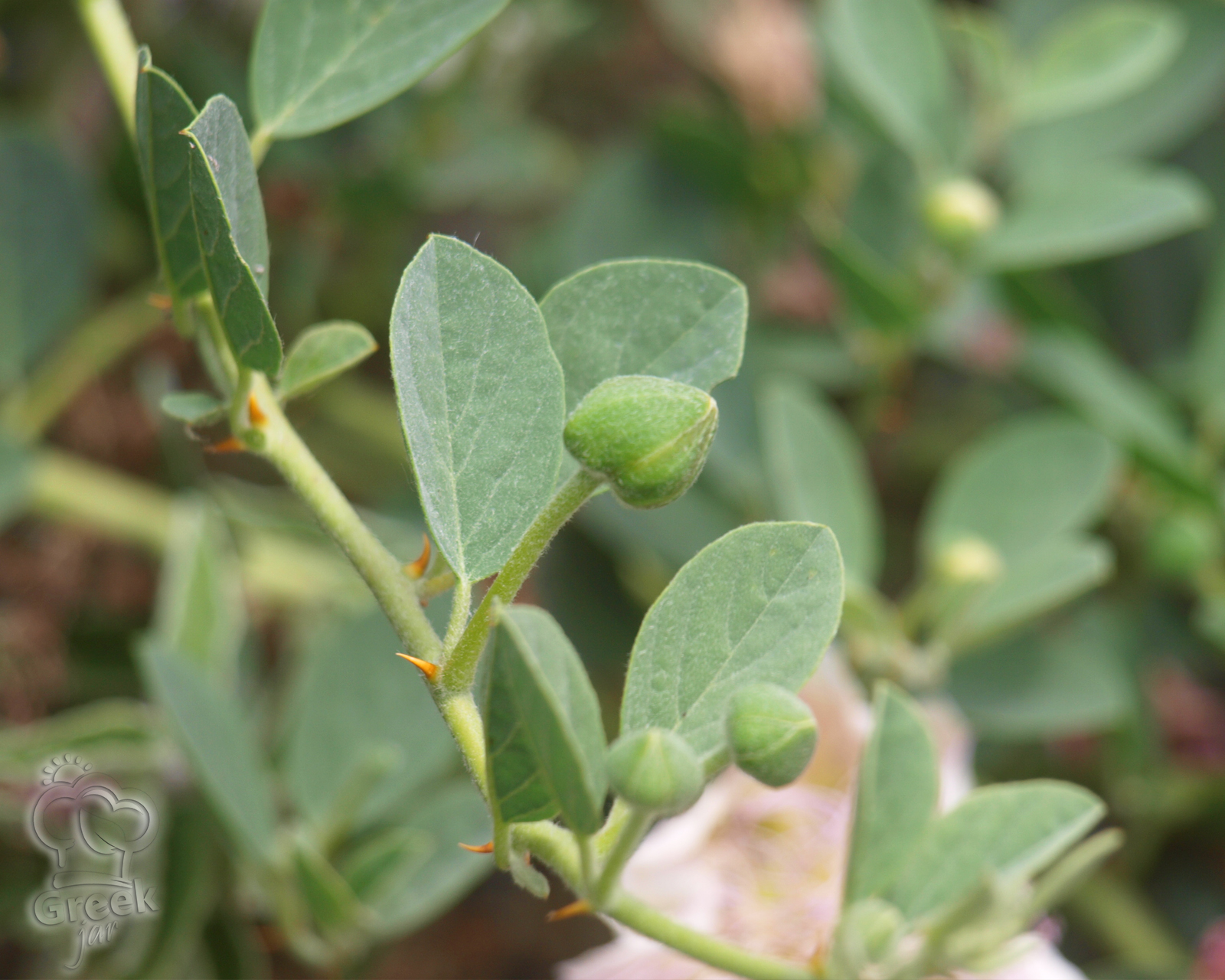
"A humble plant that blooms where no one expects to find life and offers one of the most distinctive flavors of the Mediterranean…"
There is a plant that seems to defy every law of nature. It does not require fertile soil or special care. It is content with a crack in a rock, a dry stone wall, or an old whitewashed surface—places where most people would never expect anything to grow. And yet, every summer, caper makes its appearance, offering small green buds that hide within them one of the most distinctive flavors of Mediterranean cuisine.
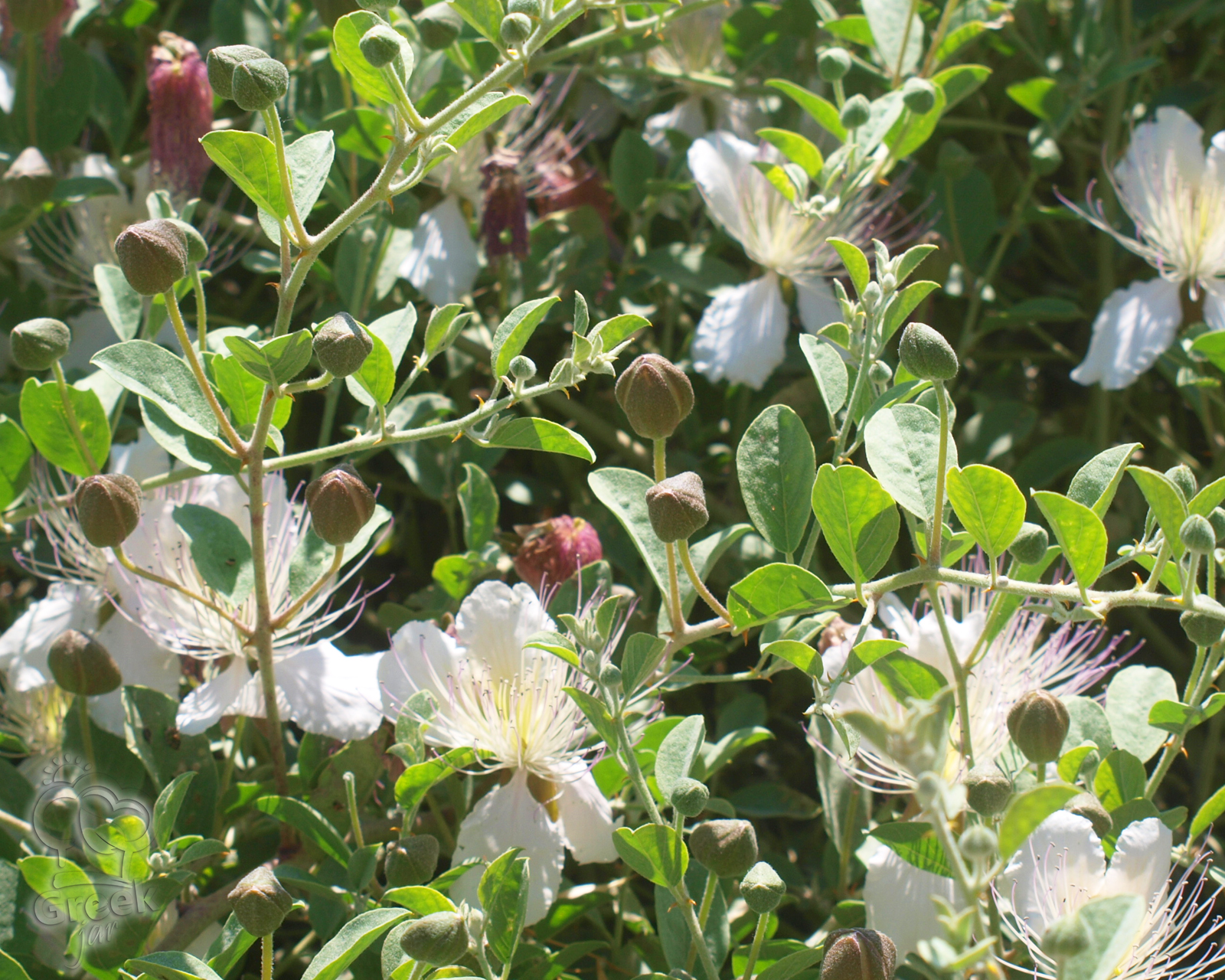
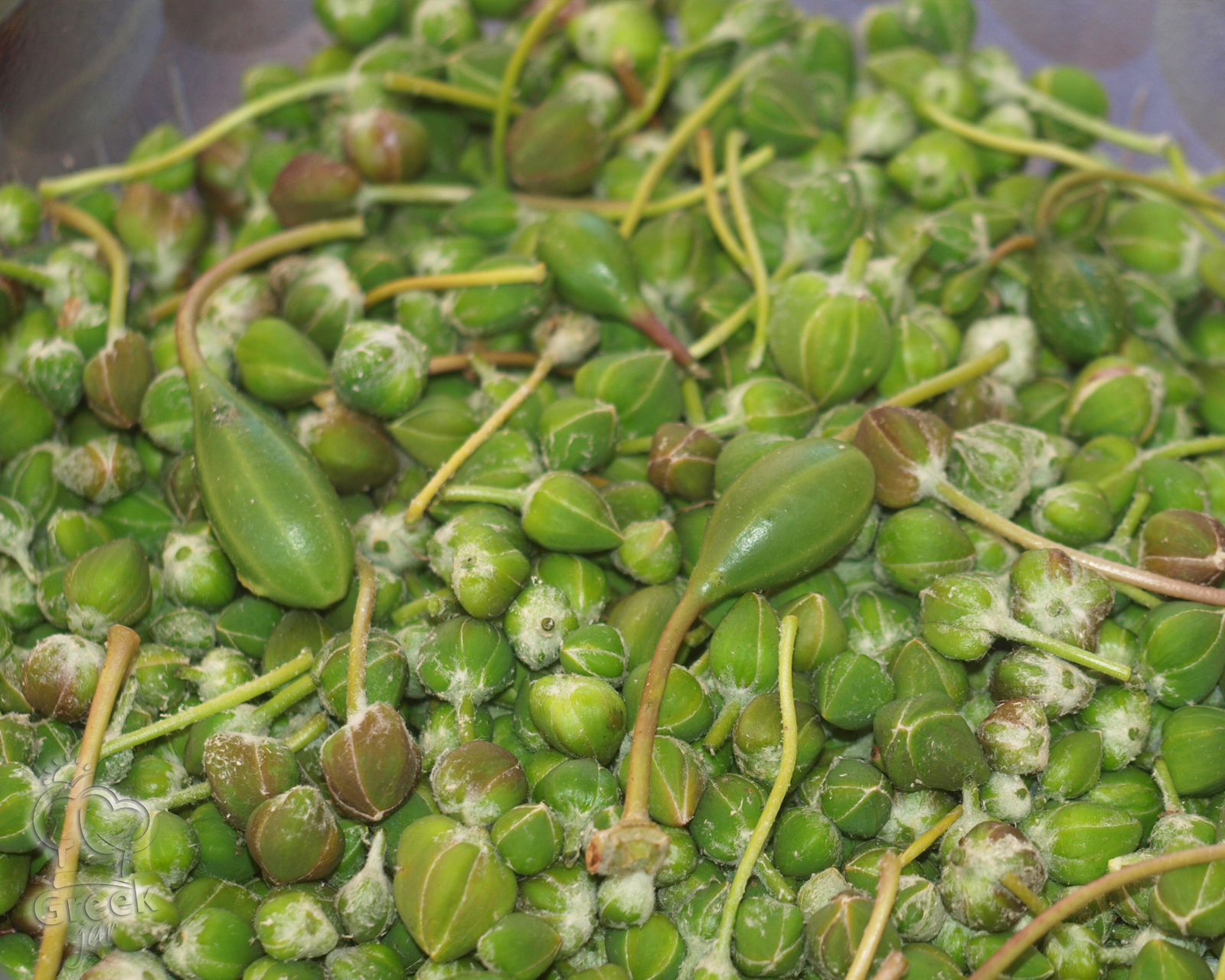
From May through July, just before its flowers bloom, these small buds are carefully hand-picked. They are then preserved in brine, vinegar, or salt—a process that enhances their characteristic tangy, slightly salty flavor. In addition to the buds, the tender leaves are also used, while after flowering the plant produces its fruits, known as “caper berries.” Larger in size and crisp in texture, they are considered a small gastronomic treasure and are often served as an appetizer or side dish.
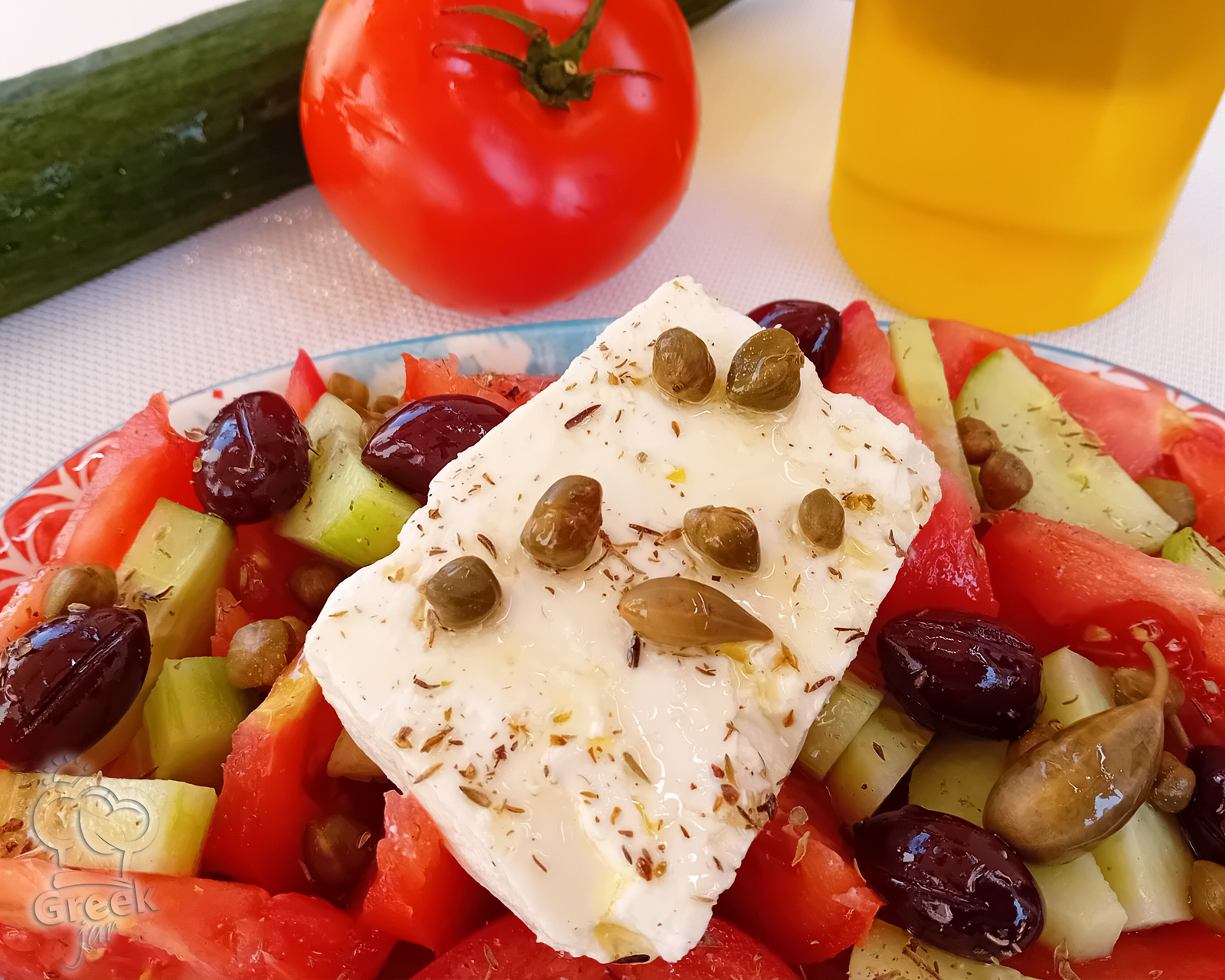
In Greek cuisine, caper holds a special place. It is one of those ingredients that does not need to be used in large quantities to transform a dish. Just a few buds are enough to add intensity and character. Many associate it with the traditional Greek salad, where its salty, tangy taste blends harmoniously with sweet tomato, crunchy cucumber, olives, feta cheese, and extra virgin olive oil. But caper does not stop there. It pairs beautifully with fish and seafood, adds vibrancy to sauces, complements pasta dishes, and even brings a distinctive touch to a simple sandwich. Perhaps this is its greatest secret: it is a humble plant that chooses to grow in the driest and harshest places, yet manages to generously offer flavor and aroma to every table.
Every time I see caper sprouting from a rock or decorating an old wall on a Greek island, it reminds me how generous nature can be. With minimal means, it creates something unique. And perhaps that is why caper is not just another ingredient in Greek cuisine. It is a small treasure of Greek land, carrying within it the sun, the sea salt, and all the authenticity of the Mediterranean summer.